


Talk to an Expert 504-226-5708
Talk to an Expert 504-226-5708
Salt air from Louisiana’s proximity to the Gulf of Mexico and Lake Pontchartrain corrodes window seals much faster than inland homes experience. Coastal homeowners in New Orleans, Kenner, Slidell, and other Gulf South locations can see window seals fail in 3 to 5 years compared to 8 to 12 years for homes 30+ miles inland, making salt air damage one of the most aggressive threats to window longevity in this region.
Auto and Home Window Replacement serves homeowners across Southeast Louisiana, where salt air from the Gulf of Mexico and Lake Pontchartrain is a constant environmental challenge. Salt air corrodes window frames and seals through a chemical process: sodium chloride (sea salt) particles dissolve in the 75-80% humidity that New Orleans experiences year-round, creating a corrosive solution that eats away at sealants, spacers, and frame materials far faster than fresh-air environments.
The difference between coastal and inland damage is dramatic. Inland homeowners might see their window seals degrade over 8-12 years. Coastal homeowners, especially those within 5-15 miles of the Gulf or Lake Pontchartrain, often see seals fail within 3-5 years. The salt spray doesn’t just sit on the window surface; it penetrates the seal, corrodes the metal spacer bars between glass panes, and breaks down the EPDM rubber gaskets that keep moisture out.
Salt spray from the Gulf reaches 5 to 15 miles inland during normal conditions, and can travel 20+ miles during hurricanes and tropical storms. This means homeowners in New Orleans, Kenner, Gretna, Slidell, LaPlace, and other Gulf South communities are all in the salt-air zone, even if they’re not beachfront. Lake Pontchartrain, with salinity levels of 1 to 8 parts per thousand, also contributes to the salt-laden air that affects homes within 10-20 miles of its shoreline.
New Orleans, situated between the Gulf and Lake Pontchartrain, experiences some of the highest salt-air exposure of any U.S. city east of California. Combined with Louisiana’s intense humidity, heat, and rainfall, this makes the coastal environment one of the harshest on window longevity anywhere in North America.
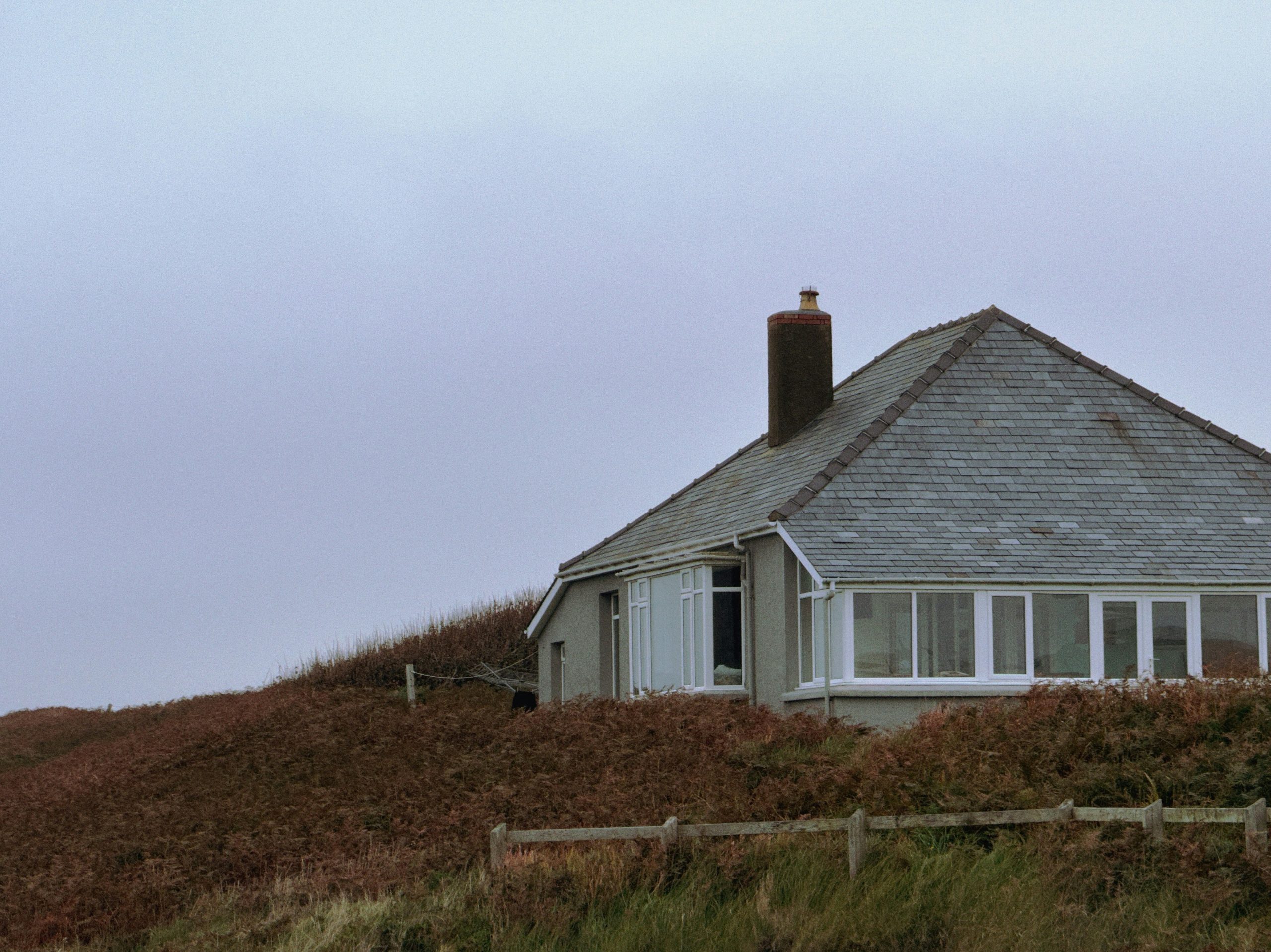
Vinyl and fiberglass windows are the only practical choice for Louisiana coastal homes; aluminum and wood windows corrode or degrade rapidly in salt air. Here’s how different materials perform:
| Material | Salt Resistance | Coastal Lifespan | Maintenance |
|---|---|---|---|
| Vinyl | Excellent | 20-40 years | Minimal (annual rinse) |
| Fiberglass | Excellent | 30-50+ years | Minimal (annual rinse) |
| Aluminum | Poor | 15-25 years* | Intensive (quarterly protective coatings) |
| Wood | Worst | 10-15 years | Intensive (monthly seal reapplication) |
*Aluminum requires constant protective coating reapplication; even then, it fails faster than vinyl. Wood windows absorb salt-laden moisture and rot within a decade in coastal zones. Soft-Lite vinyl windows are specifically engineered for coastal climates, with triple-seal gaskets and metal-free spacers that resist corrosion-a proven 70-year heritage in Gulf South installations.
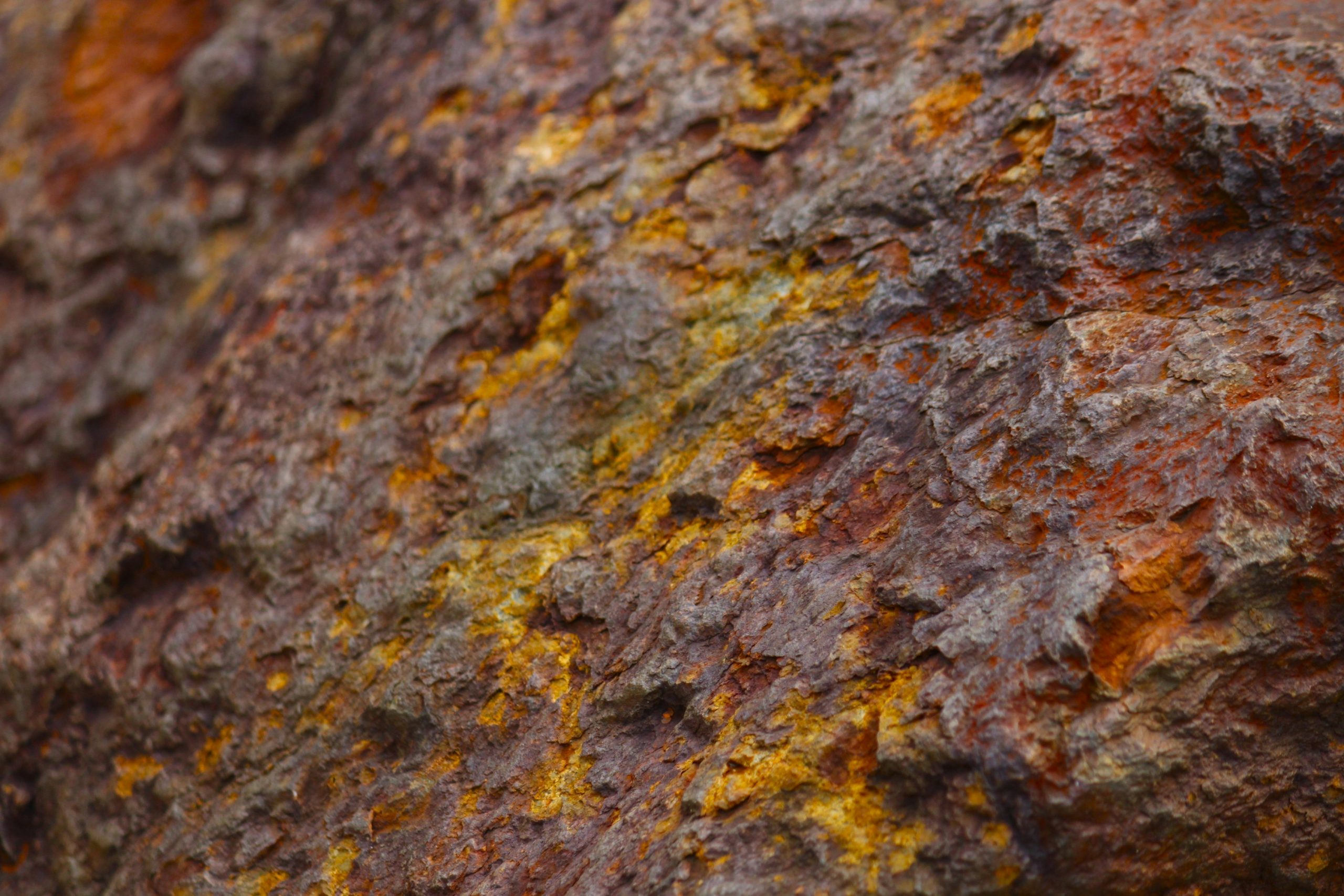
Corrosion starts at the spacer bar (the thin metal separator between glass panes) and works outward, breaking the seal and allowing moisture inside. The first visible sign is condensation or fogging between the panes that doesn’t go away when the weather warms. This is not just a cosmetic problem; it signals that salt has already penetrated the seal and begun breaking down the interior structure.
Once the seal fails, moisture trapped between panes begins supporting mold and mildew growth within 24-48 hours in Louisiana’s humid climate. The glass fogs over, insulation value drops to nearly zero, and the failing seal allows outside air and humidity to penetrate the wall cavity around the window frame. This can lead to rot, mold in the wall, and structural damage-costs that quickly exceed \,000+ per window opening.
The corrosion process is irreversible. Once salt penetrates a window seal, resealing is not an option; the entire window unit must be replaced. This is why early detection and replacement is far cheaper than ignoring seal failure.
Regular maintenance and material choice are your best defenses. Contact Auto and Home Window Replacement for a professional salt-air assessment of your windows, or follow these prevention steps:
The clearest sign is fogging or condensation between the glass panes that does not disappear when the sun comes out or the weather warms. Other signs include a white or cloudy film on the glass interior, water pooling on the windowsill in the morning, or a milky haze that worsens in humid conditions.
No. Once salt air breaks the seal between glass panes, resealing is not effective. The entire window unit must be replaced. Attempts to patch or reseal will fail within months in the Gulf South climate because salt continues corroding from inside the damaged seal.
Monthly cleaning is ideal for homes within 5 miles of the coast. For homes 10-15 miles inland, quarterly (every 3 months) is sufficient. Even annual cleaning is better than none. Each rinse removes salt deposits before they corrode seals and frames.
Yes. Marine-grade protective coatings can extend the lifespan of less-resistant materials (like aluminum), but they degrade every 3-5 years and require professional reapplication. It’s far more cost-effective to install vinyl or fiberglass windows once and avoid the ongoing coating maintenance.
Yes. Impact-resistant vinyl windows have reinforced seals and marine-grade hardware designed to withstand both hurricane-force winds and salt-air corrosion. They are the ideal choice for coastal Louisiana homes.
Vinyl window replacement averages \,500-\,800 per window installed. A full-home replacement (8-12 windows) typically costs \,000-\,000. Early repair (before seal failure advances) costs \-\ per seal and can prevent \,000+ in water damage, making early action highly cost-effective.
Lake Pontchartrain has lower salinity (1-8 psu) than the open Gulf, so salt air from the lake is somewhat less aggressive. However, combined with Gulf air during storm surge, homes within 10-20 miles of the lake still experience significant salt-air corrosion. The same vinyl and fiberglass recommendations apply.
Salt air travel diminishes with distance, but Baton Rouge, 80 miles from the coast, still experiences measurable salt-air effects during storm surge and tropical weather. Inland homeowners can use standard vinyl windows without marine-grade upgrades, but in Baton Rouge, choosing salt-resistant materials is wise.
 By Admin
  Jun 18, 2026